France is very well known for its fine cuisine, but have you ever wondered about the differences between all the different categories of establishments? If you are not sure you know what the distinctions are between un restaurant, un bistro and une brasserie, this article is meant for you! Please note that this article is based on general information and that you can find exceptions everywhere.
Restaurant
What makes un restaurant different from the other establishments is that it is only open during lunch and dinner hours and is closed one day per week. Don’t expect to go to a restaurant at 3pm because you will find the doors closed. The staff is professional and they serve traditional fine French food with luxury ingredients such as foie gras, scallops, truffles, prawns or quails and generous, creamy and tasty sauce is generally involved! Did you know that by French law restaurants have to offer a prix-fixe menu? Atmosphere and prices will depend on the kind of restaurants. It can go from really affordable to highly expensive!
Brasserie
The first brasseries in Paris opened in 1871. The concept came from Alsace, a region known for its beer. In the past les brasseries were brewing their own beers and didn’t serve wine. This period is over but the concept of a friendly place where you can relax and enjoy a beer is still alive! Brasseries are open seven days a week and late at night. You will find dishes from different regions of France; the choucroute from Alsace is still a popular staple on the menu. Prices for food are affordable. Brasseries are generally huge and elegant with wood, chandeliers, and marble indoors. Often, they have outdoor tables and seating areas as well. The staff is professional. Be aware that some brasseries serve frozen products; choose wisely! My best advice is to check the reviews on the internet, it will help you with your choice.
Bistro
A bistro is smaller in size and the staff is friendly but less professional. You won’t have a printed menu but instead can rely on a chalkboard or even an oral menu! The list of dishes available is short and normally the food is homemade and really fresh. The atmosphere is casual and you can meet a lot of ‘’habitués’’, locals who come often and know everyone from the server to the chef. They are part of the family! You will find family dishes, wine from the house, and you can be served really quickly if you ask, there is generally a plat du jour for less than 13 euros.
Bouchon
A bouchon is from Lyon and they serve lyonnaise cuisine only, which includes a lot of pork and the traditional quenelles de brochet. The atmosphere is casual and you might find the traditional red and white patterned tablecloths! Did you know that in this instance, the “bouchon” that the restaurant refers to is the specific brush used to remove mud from horses? Back in the past, when you had to travel by riding horses for hours and even days it was usual to stop for a well deserved rest and meal for you and your horse. While horses are a lot less frequent nowadays, the name stayed!
Café
Cafés open early in the morning and close early in the evening. The biggest difference when compared with American cafés is that they serve alcoholic beverages. You will find quick meals such as salads or croque-monsieur. Prices are affordable.
I hope now you have a better understanding of the various eating establishments in France. Next time you are in France you can pick the perfect place for your appetite and occasion.
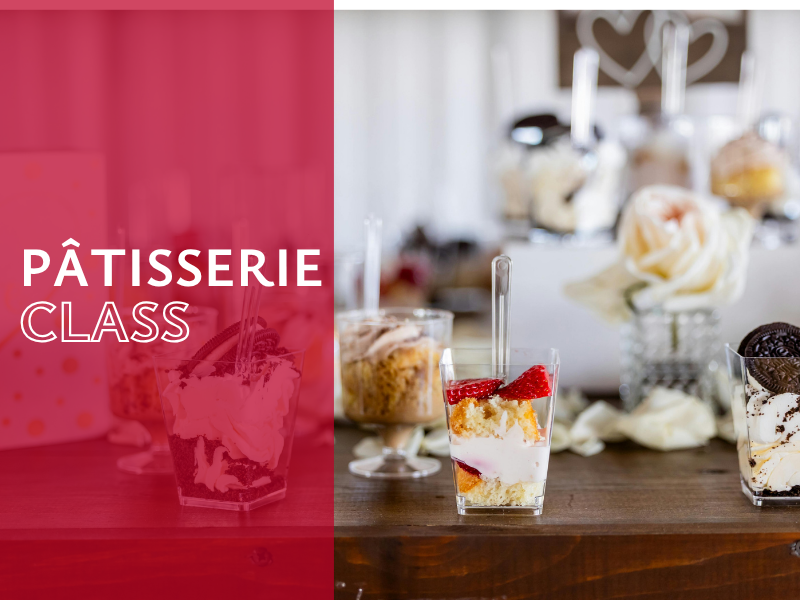
Craving French food? We are offering a baking class on Sunday, May 16th where you will learn how to make the iconic éclair au chocolat and the savory chouquettes!
Restaurant
What makes un restaurant different from the other establishments is that it is only open during lunch and dinner hours and is closed one day per week. Don’t expect to go to a restaurant at 3pm because you will find the doors closed. The staff is professional and they serve traditional fine French food with luxury ingredients such as foie gras, scallops, truffles, prawns or quails and generous, creamy and tasty sauce is generally involved! Did you know that by French law restaurants have to offer a prix-fixe menu? Atmosphere and prices will depend on the kind of restaurants. It can go from really affordable to highly expensive!
Brasserie
The first brasseries in Paris opened in 1871. The concept came from Alsace, a region known for its beer. In the past les brasseries were brewing their own beers and didn’t serve wine. This period is over but the concept of a friendly place where you can relax and enjoy a beer is still alive! Brasseries are open seven days a week and late at night. You will find dishes from different regions of France; the choucroute from Alsace is still a popular staple on the menu. Prices for food are affordable. Brasseries are generally huge and elegant with wood, chandeliers, and marble indoors. Often, they have outdoor tables and seating areas as well. The staff is professional. Be aware that some brasseries serve frozen products; choose wisely! My best advice is to check the reviews on the internet, it will help you with your choice.
Bistro
A bistro is smaller in size and the staff is friendly but less professional. You won’t have a printed menu but instead can rely on a chalkboard or even an oral menu! The list of dishes available is short and normally the food is homemade and really fresh. The atmosphere is casual and you can meet a lot of ‘’habitués’’, locals who come often and know everyone from the server to the chef. They are part of the family! You will find family dishes, wine from the house, and you can be served really quickly if you ask, there is generally a plat du jour for less than 13 euros.
Bouchon
A bouchon is from Lyon and they serve lyonnaise cuisine only, which includes a lot of pork and the traditional quenelles de brochet. The atmosphere is casual and you might find the traditional red and white patterned tablecloths! Did you know that in this instance, the “bouchon” that the restaurant refers to is the specific brush used to remove mud from horses? Back in the past, when you had to travel by riding horses for hours and even days it was usual to stop for a well deserved rest and meal for you and your horse. While horses are a lot less frequent nowadays, the name stayed!
Café
Cafés open early in the morning and close early in the evening. The biggest difference when compared with American cafés is that they serve alcoholic beverages. You will find quick meals such as salads or croque-monsieur. Prices are affordable.
I hope now you have a better understanding of the various eating establishments in France. Next time you are in France you can pick the perfect place for your appetite and occasion.
Craving French food? We are offering a baking class on Sunday, May 16th where you will learn how to make the iconic éclair au chocolat and the savory chouquettes!
What’s the best food establishment you have tried in France?

Clémence Bary-Boloré
Cultural Programs Manager / Office Manager
Clémence has a Master’s degree in Cultural Projects Management. She worked in Paris for several years for theater companies. She likes discovering new cultures, people and places, which is why she crossed the ocean to start a new experience in Boston. She is glad to be part of the French Library to promote French culture and language. In her free time, she enjoys cooking, hiking, kayaking and all forms of art!
Contact